Your options for replacing missing teeth

Whether you're missing one tooth or several, there's a treatment that genuinely suits your situation. Here's an honest comparison of your three main options - and how to decide between them.
Why replacing missing teeth matters more than people realise
Living with a missing tooth (or several) often feels manageable at first. The trouble is, the consequences quietly build up over time. Neighbouring teeth gradually drift into the gap, your bite slowly changes, the bone in your jaw shrinks beneath the missing teeth, and your face can lose subtle support around the cheek and lip. There's also a knock-on effect on diet - research shows that people with several missing teeth naturally adapt towards softer, often less nutritious foods. None of it has to happen, and the longer a gap is left, the more involved future treatment usually becomes.
High-end dentistry in Richmond focused on long-term results
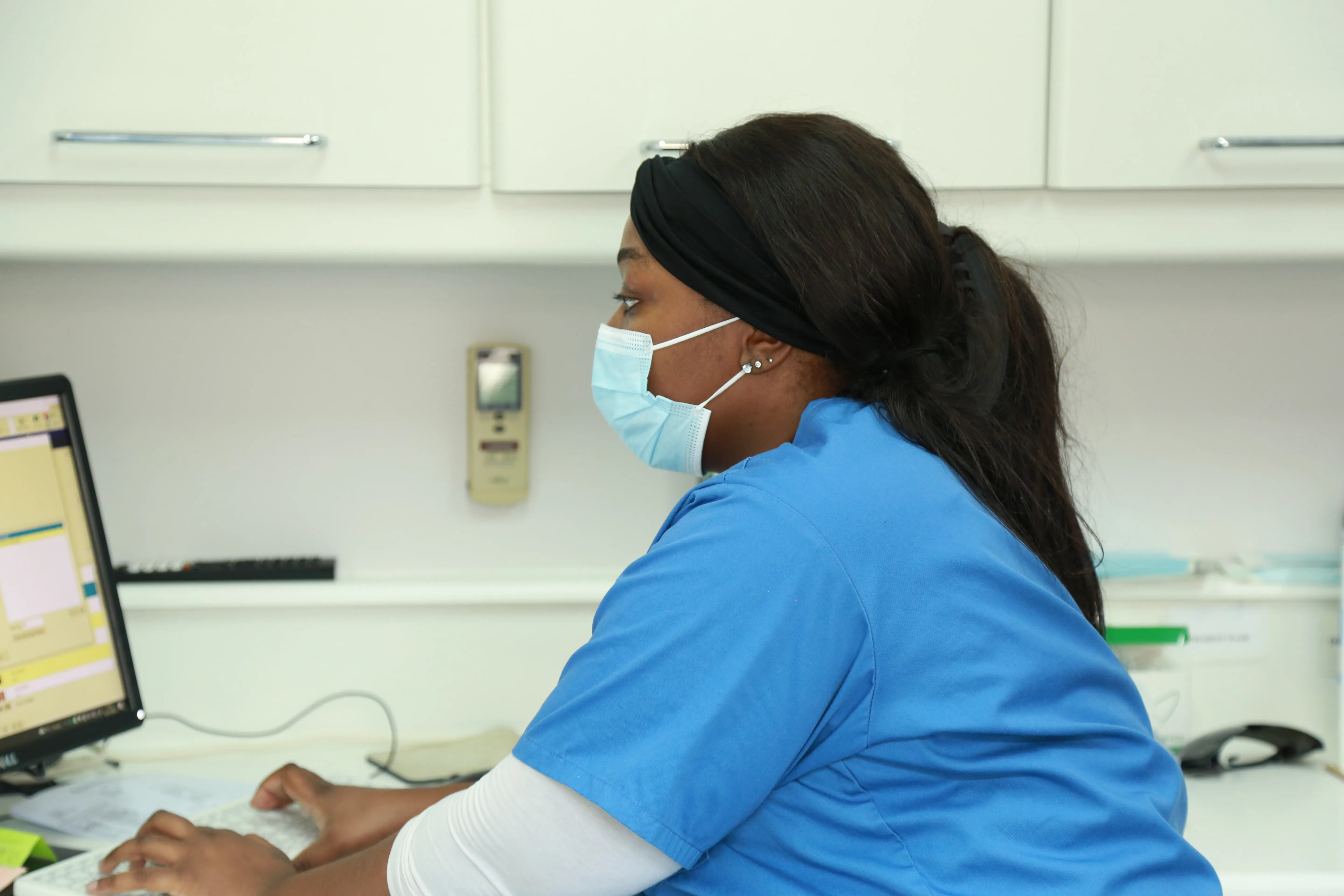
Our team has been guiding patients through missing tooth replacement for over 30 years at our Vineyard practice. We offer the full range of options under one roof, which means we're not trying to fit you into the one treatment we happen to do - we'll always recommend what genuinely suits your case, your budget and your long-term goals.

The three main ways to replace a missing tooth
Modern dentistry essentially offers three approaches to replacing missing teeth. Each has a place, and the right one depends entirely on your specific situation.
Dental implants - the long-term solution
A dental implant is a small titanium post that's placed into your jawbone to act as a replacement tooth root. Once it's healed, a crown, bridge or denture is fixed on top.
Best for:
- One or multiple missing teeth (see our multiple dental implants page for several missing teeth)
- Patients who want a fixed, long-term solution
- Anyone wanting to avoid affecting their healthy neighbouring teeth
Considerations:
- Higher upfront cost
- Involves a small surgical procedure
- Healing takes three to six months
Not always suitable if there's significant bone loss (although bone grafting often solves this)

Dental bridges - a fixed alternative without surgery
A bridge replaces one or more missing teeth by anchoring to the healthy teeth on either side of the gap.
Best for:
- Patients who'd prefer a fixed solution but don't want implant surgery
- Cases where neighbouring teeth already need crowns or significant fillings
Considerations:
- Requires reshaping of the healthy neighbouring teeth
- Doesn't preserve the bone beneath the missing tooth
- Usually lasts 10 to 15 years before needing replacement
- Harder to clean around than implants
Dentures - the removable option
Dentures are custom-made removable appliances that replace several missing teeth or a full arch.
Best for:
- Patients seeking the lowest upfront cost
- Cases involving many missing teeth where other options aren't suitable
Considerations:
- Removable, which some patients find inconvenient
- Can feel less stable over time as the jaw shrinks - if your existing dentures already feel loose, see our loose dentures solutions page
- May require adhesives
- Less natural chewing function than implants
Modern dentistry in Richmond powered by 3D scanning
For implant cases, our in-house 3D CBCT scanner shows your jawbone in remarkable detail before any decisions are made. Combined with iTero digital impressions, this means we can plan your treatment precisely - whichever option you eventually choose.

How to decide which option is right for you
The right approach depends on several factors:
- How many teeth are missing
- Where they are in your mouth
- The condition of your surrounding teeth
- The amount of jawbone you have
- Your medical history
- Your budget and long-term goals
There's no single "best" treatment - just the right one for you. Our promise is that we'll always offer the option that genuinely suits your situation, never the one that simply pays best.
Your journey at Richmond Hill Dental
Whichever route you choose, our process is structured around clarity, calm and proper time to decide.

Step 1 - Your consultation
You'll have an unhurried conversation about what's bothering you, your medical history, and what you're hoping for. We'll examine the area carefully and explain your realistic options.
Step 2 - Diagnostic imaging
Digital X-rays or 3D CBCT scans where needed, depending on which options are on the table. This gives us a complete picture before any decisions are made.
Step 3 - A clear, written treatment plan
You'll receive a fully costed, written plan setting out each option with its pros, cons and timeline. There's never any pressure to decide on the spot - take it home, think it over, ask questions.
Step 4 - Treatment begins
Once you've chosen the right path, we'll plan your appointments and walk you through every stage. You'll always know what's coming next.
Step 5 - Aftercare and long-term review
You'll go home with clear guidance and a plan for ongoing reviews. We'll be alongside you for the long term, not just for the treatment itself.

Sedation for nervous patients in Twickenham and Richmond
If you're anxious about any aspect of treatment, please know you're far from alone. IV sedation with Dr Frances Carling-Thom can help you feel deeply relaxed throughout, and is available across most treatments. Frances specialises in caring for nervous patients and has over 15 years of experience.

How much do missing teeth replacements cost in Richmond?
A rough guide to costs at Richmond Hill Dental:
- Dental implant (per tooth, including abutment and crown) - from £3,000
- Bridges - from £700
- Dentures - from £600
- Implant-supported denture (stabilising a loose denture) - from £3,000
- All on 4 / Same day teeth (full arch fixed) - from £9,000 per arch
Frequently asked questions
What's the best way to replace a missing tooth?
For most patients with one or two missing teeth, a dental implant is the gold-standard option - it's the closest thing to a natural tooth, doesn't affect neighbouring teeth, and lasts the longest. That said, the right choice depends on your specific case, which is why a proper consultation matters.
Can I replace several missing teeth at once?
Yes. Depending on your situation, this could be done with multiple dental implants, an implant-supported bridge, a traditional bridge, or a partial denture. We'll talk through each option honestly at your consultation.
Is it really worth replacing a missing tooth?
In almost every case, yes. The longer a gap is left, the more changes happen in your mouth - neighbouring teeth drifting, bite changes, bone shrinkage. Replacing missing teeth early usually means simpler, more affordable treatment overall.
How soon should I replace a missing tooth?
Ideally within a few months. The first year after losing a tooth is when most bone shrinkage happens, so acting sooner often makes future treatment (especially implants) far simpler.
How much does it cost to replace missing teeth?
Costs vary widely depending on the option you choose - from around £600 for a denture to several thousand pounds for implants. You'll always receive a written treatment plan before committing, so there are no surprises.
How long does each option take?
Dentures can usually be made within a few weeks. Bridges take two or three appointments over a few weeks. Dental implants take three to six months from placement to final tooth, but the result lasts far longer.
What if I'm worried about implant surgery?
You're far from alone, and there are gentler options. IV sedation can make implant treatment feel remarkably calm. Alternatively, a bridge or denture might be the right choice if you'd prefer to avoid surgery altogether - we'll always discuss it openly.