Tooth extractions in Richmond

Sometimes a tooth needs to come out, and when it does, the gentlest hands make all the difference. Our experienced team is here to make the whole process feel calm and properly looked after.


When does a tooth need to come out?
Modern dentistry tries hard to save teeth wherever possible, but sometimes extraction really is the kindest option. Common reasons include severe decay or fracture beyond repair, advanced gum disease, problematic wisdom teeth, infection that hasn't responded to root canal treatment, or making space for orthodontic work.

Complex dental treatments in Richmond handled in-house
We're set up to handle complex extractions on-site, including impacted wisdom teeth and surgical cases that many practices would refer elsewhere. Our 3D CBCT scanner gives us a remarkably detailed view of nerves, roots and bone before we begin, which means safer, calmer treatment.
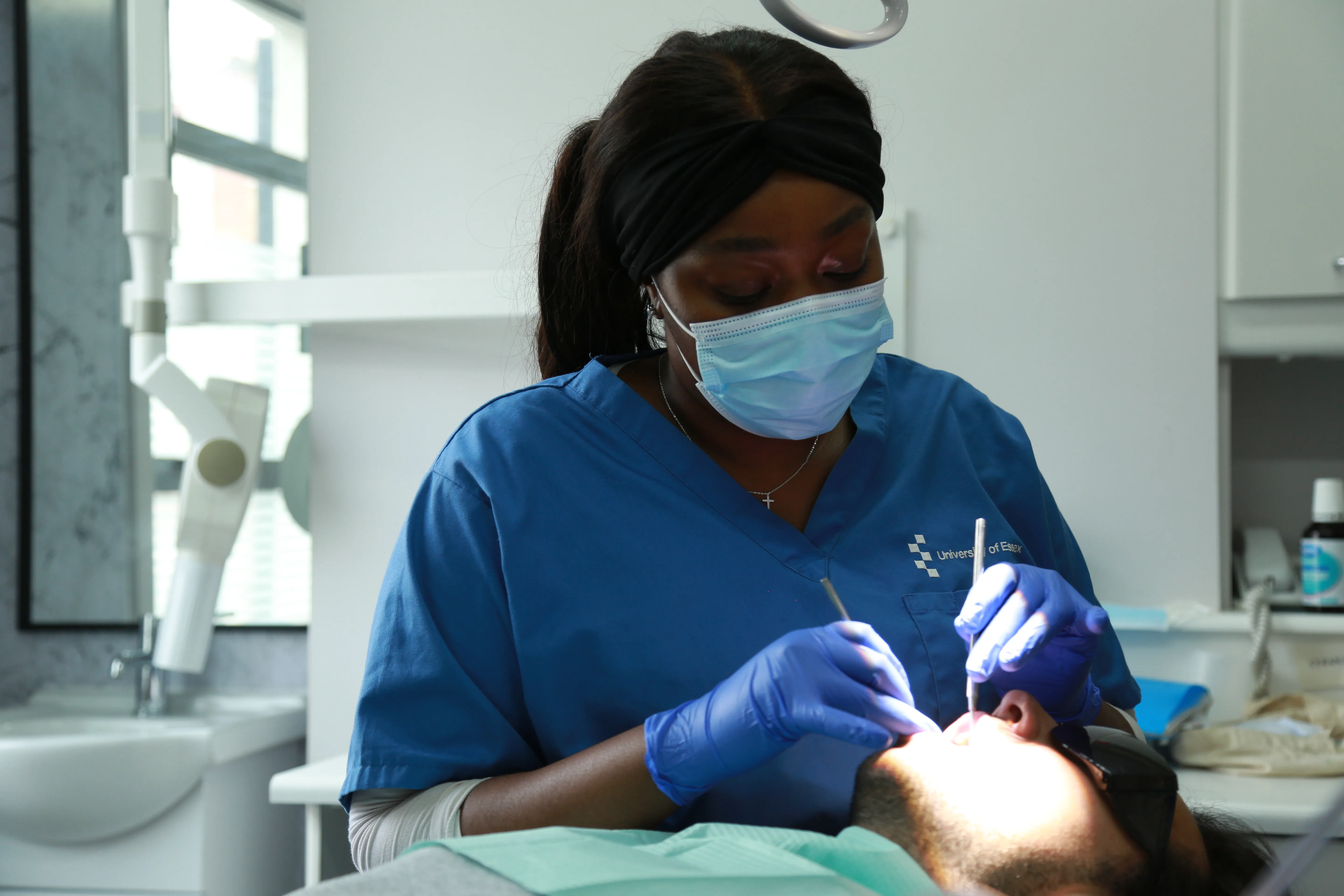
Wisdom teeth removal in Richmond
Wisdom teeth (your third molars) usually appear in your late teens or twenties, but there often isn't enough room for them to come through cleanly. They can become impacted, push against neighbouring teeth, trap food and bacteria, or trigger repeated infections.
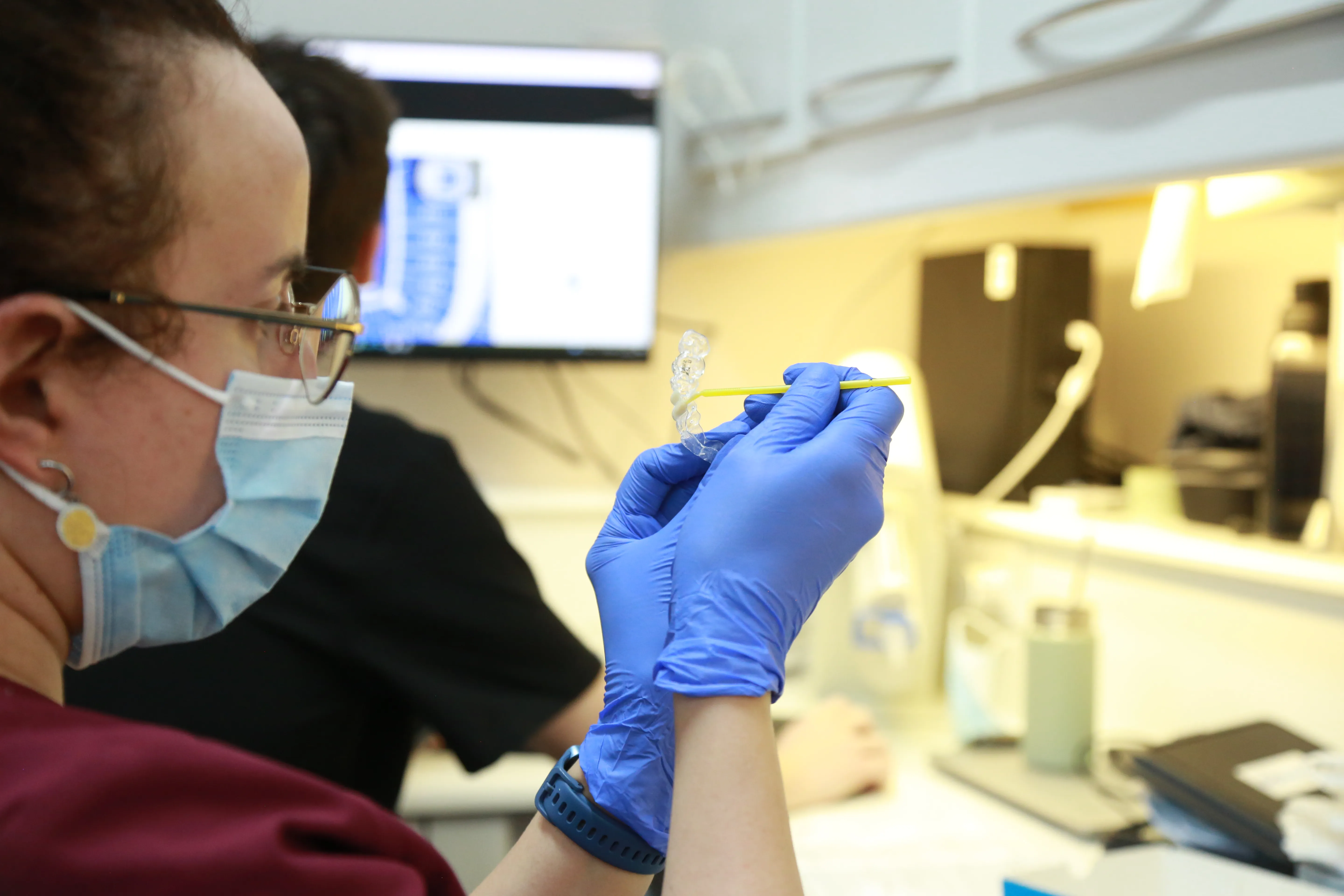
Signs your wisdom teeth might need attention
If you're experiencing any of the following, it's worth booking a consultation:
- Discomfort or swelling at the back of your mouth
- A bad taste or smell that won't shift
- Difficulty opening your jaw fully
- Headaches or jaw aches that flare up regularly
- Crowding or pressure on the teeth in front

What is an atraumatic extraction?
Atraumatic extraction is a gentle, modern technique that removes a tooth while preserving as much of the surrounding bone as possible. This matters enormously if you might want a dental implant in the future, because preserving bone now makes implant treatment simpler and more successful later.
Your extraction journey at Richmond Hill Dental
We've built every step of your visit around keeping you calm, comfortable and clearly informed. Here's what to expect.

Step 1 - A thorough consultation
Your dentist will examine the tooth, take any necessary digital X-rays or a 3D CBCT scan, and explain clearly why extraction is the right option (and what alternatives may exist).
Step 2 - Plan the right approach for you
We'll talk through your options - simple extraction, surgical extraction, atraumatic technique, and whether IV sedation might be helpful for you. You'll leave knowing exactly what's coming.
Step 3 - Your appointment
On the day, the area is fully numbed before anything begins. You'll feel pressure but not sharpness, and we'll check in with you constantly throughout. Most extractions are quicker than patients expect.
Step 4 - Aftercare and healing
You'll go home with clear written aftercare instructions, gentle pain relief advice, and a direct number to call if anything worries you. Most patients feel much better within 48 hours.

Sedation for nervous patients in Twickenham and Richmond
If the thought of an extraction makes you anxious, please know you're far from alone - and we have gentle options. IV sedation with Dr Frances Carling-Thom can help you feel deeply relaxed throughout, with most patients remembering very little of the appointment afterwards.

How much does a tooth extraction cost in Richmond?
We believe in transparent, upfront pricing. You'll always know what your treatment costs before we begin:
- Tooth extraction - from £195 to £650 depending on complexity
- Atraumatic extraction (for implant preparation) - from £295
- IV sedation - from £500
- 3D CBCT diagnostic scan - £125
Frequently asked questions at Richmond Hill Dental
Will the extraction be uncomfortable?
The area is fully numbed before we begin, so you'll feel pressure but not sharpness. Modern anaesthetics are remarkably effective, and most patients say the experience is far gentler than they expected.
How long does an extraction take?
A simple extraction usually takes 15 to 30 minutes. Surgical extractions, including impacted wisdom teeth, can take 30 to 60 minutes depending on the complexity. Your dentist will give you a clear time estimate beforehand.
What's the recovery like after an extraction?
Most patients feel noticeably better within 48 to 72 hours, with full healing taking around two weeks. You'll go home with clear aftercare instructions, and we'll always check in to see how you're doing.
Should I replace the tooth after extraction?
It depends on which tooth it is. Front teeth are almost always best replaced for both function and appearance. Back teeth often benefit from replacement too - usually with a dental implant, bridge or denture - to stop neighbouring teeth shifting.
Can I drive home after my extraction?
After a standard extraction with local anaesthetic, yes. After IV sedation, no - you'll need someone to collect you and stay with you for the rest of the day.
What about my wisdom teeth - do they all need to come out?
Not necessarily. If your wisdom teeth are coming through cleanly and not causing problems, they're often best left alone. We only recommend removal where there's a clear clinical reason.