Gum disease treatment in Richmond
Gum disease is the leading cause of tooth loss in UK adults - but caught early, it's almost always reversible. Our gentle team is here to get your gums healthy again.

What is gum disease?
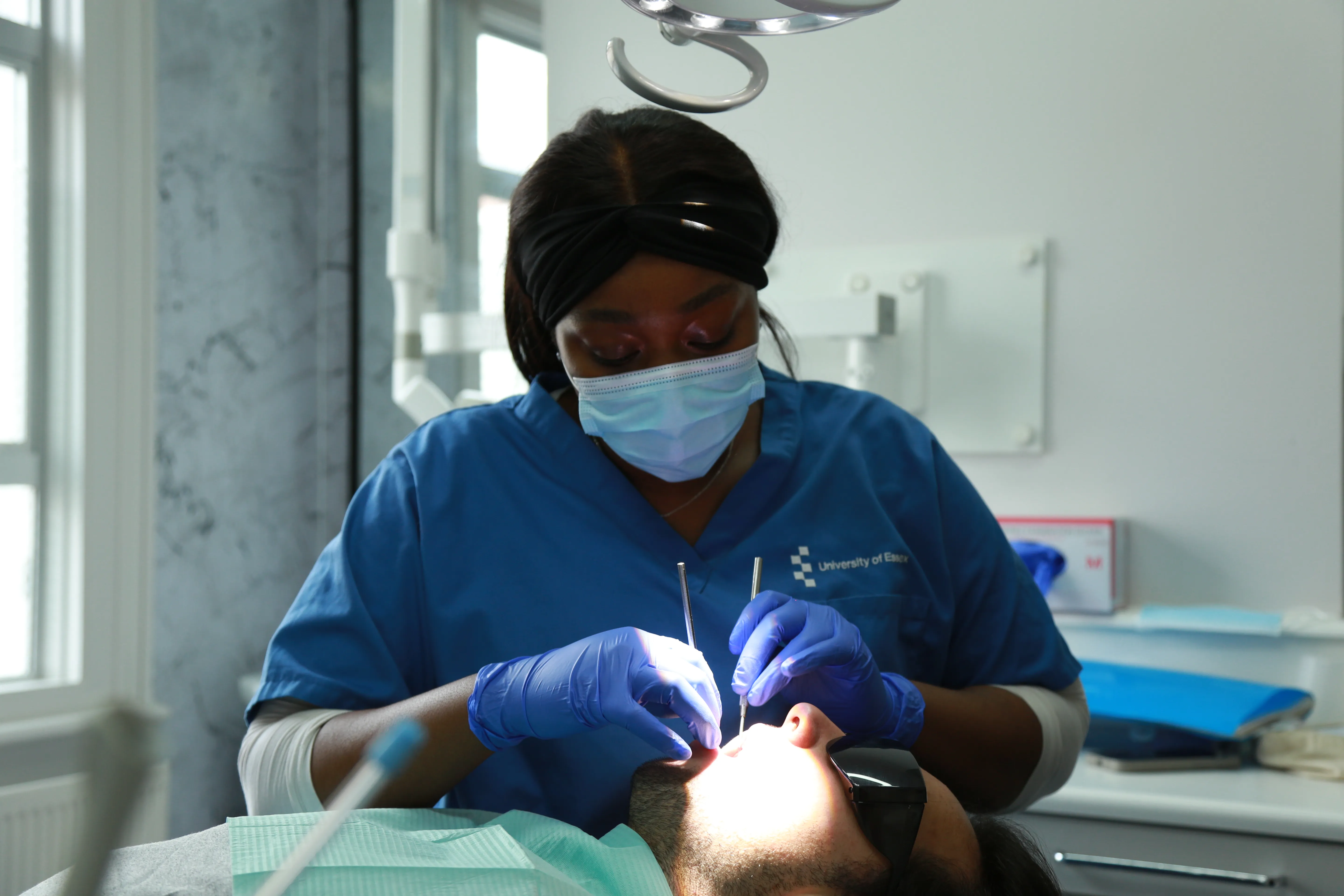
Gum disease (also called periodontal disease) is an infection of the tissues that hold your teeth in place. It starts quietly, usually with mild gum inflammation, and slowly progresses if left untreated. The encouraging news is that the earliest stage - gingivitis - is almost always reversible with professional cleaning and improved home care.

Why gum health matters more than you might think
Healthy gums are the foundation of every healthy smile, but their importance reaches far beyond your mouth. Research has linked advanced gum disease to a higher risk of heart disease, diabetes complications and other whole-body conditions. Looking after your gums is genuinely looking after your health.

The two stages of gum disease
Understanding which stage you're at shapes the right treatment.
- Gingivitis - early-stage inflammation of the gums. Reversible with professional cleaning and good home care
- Periodontitis - advanced gum disease where the supporting bone begins to break down. Manageable, but not fully reversible. Early treatment is essential

Warning signs to look out for
Gum disease often progresses without obvious discomfort, which is why regular hygiene appointments matter so much. Common signs include:
- Gums that bleed when you brush or floss
- Red, swollen or tender gums
- Persistent bad breath or a bad taste
- Gums that look like they're shrinking back from the teeth
- Loose or shifting teeth
- New gaps appearing between your teeth

Caring for Richmond families for over 30 years
Our hygienists Libby and Emily are well known across Richmond Hill, Kew and East Sheen for their calm, gentle manner and their genuine love of helping patients turn gum problems around. Many of our long-term patients credit them with saving teeth they thought they'd lost.
Your gum disease treatment journey at Richmond Hill Dental
We've built our periodontal pathway to be gentle, methodical and completely personalised. Here's what to expect.

Step 1 - A thorough gum assessment
Your dentist or hygienist will measure the depth of the small pockets around each tooth, check for bleeding, and take any necessary X-rays to assess the bone supporting your teeth.
Step 2 - A clear, personal plan
You'll see exactly what's going on, in plain English. We'll explain which stage you're at, what's reversible, and what your treatment plan looks like step by step.
Step 3 - Deep cleaning and stabilisation
Treatment typically involves a series of careful, gentle deep cleans below the gum line to remove the bacteria causing the problem. We'll also coach you through the home care techniques that genuinely make a difference.
Step 4 - Long-term maintenance
Once your gums are stable, we'll see you regularly (usually every three to four months) to keep things on track. Gum health is a long game, and we'll be alongside you the whole way.

Airflow polishing for sensitive gums
For patients with inflamed or sensitive gums, our Airflow technology is a gentler way to remove plaque and staining. A fine jet of warm water, air and ultra-fine powder lifts build-up without scraping - far kinder for tender tissue.

How much does gum disease treatment cost in Richmond?
We're a fully private practice with transparent pricing across every stage:
- Routine hygienist visit (30 mins) - £105
- Extended hygienist visit (45 mins) - £125
- Comprehensive hygienist visit (60 mins) - £180
- Routine examination - £70
Frequently asked questions at Richmond Hill Dental
Is gum disease reversible?
The earliest stage (gingivitis) is almost always reversible with professional cleaning and improved home care. The more advanced stage (periodontitis) isn't fully reversible, but it is very manageable - and early treatment can stop it progressing further.
Will gum disease treatment hurt?
It shouldn't. Modern hygiene techniques are far gentler than people often expect, and we use local anaesthetic for any deeper work below the gum line. Patients with very sensitive gums or anxiety can also have treatment under IV sedation.
How long does gum disease treatment take?
It varies depending on the stage. Mild gingivitis often resolves after one or two cleaning visits and improved home care. More advanced cases usually involve a course of three to four appointments, followed by ongoing maintenance every three to four months.
Can I prevent gum disease?
In most cases, yes. Twice-daily brushing, daily flossing or interdental cleaning, regular hygiene visits and not smoking will go a very long way. Our hygienists will tailor home care advice specifically to your mouth.
Does gum disease cause tooth loss?
It's the leading cause of tooth loss in UK adults, but only when left untreated. Caught and managed early, gum disease very rarely results in losing teeth.
I haven't been to a hygienist in years. Is it too late?
Not at all. We see patients every week who've been away for many years, and most are surprised at how quickly things can improve. There's never any judgement - just a gentle plan to get you back on track.